
"stone roast"
1000 article(s) found

Special report on Coffee at Stonehenge Manor in Costa Rica
Costa Rica Stonehenge country: Costa Rica Manor: Stonehenge Manor Grade: SHB treatment: black honey treatment altitude: 1700-1800m varieties: Kaddura and Kaduai are located in Costa Rica in the Central American Isthmus, while being regulated by Pacific and Atlantic currents and sea breeze, the country has many towering volcanoes up to 2000 meters above sea level, and coffee berries can be found in fertile
Introduction of several defective beans of Coffee beans
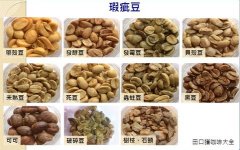
Moldy beans: because of incomplete drying, or damp in the process of transportation and storage, cyan and white molds grow, which sometimes make the beans stick together. If these moldy beans are not removed, they will produce moldy smell. Dead beans: beans with abnormal results. The color is not easy to change because of baking, so it is easy to distinguish. The flavor is thin, as harmful as silver skin, and will become a peculiar smell.
Distinguish coffee defective beans
Moldy beans: because of incomplete drying, or damp in the process of transportation and storage, cyan and white molds grow, which sometimes make the beans stick together. If these moldy beans are not removed, they will produce moldy smell. Dead beans: beans with abnormal results. The color is not easy to change because of baking, so it is easy to distinguish. The flavor is thin, as harmful as silver skin, and will become a peculiar smell.
Ground coffee beans
Coffee grinding the ideal time for coffee grinding is to grind it before it is cooked. Because ground coffee is easy to oxidize and lose its flavor, especially without proper storage, coffee powder is also easy to change flavor, so it is naturally impossible to cook mellow coffee. Before the invention of the bean grinder, people used stone pestles and bowls to grind coffee beans. A doctor once experimented with this old job.

Refreshing Yemeni coffee flavor, characteristics, taste and manor
Yemeni coffee originated from Arabian coffee trees hundreds of years ago, all produced in areas above 3000 feet above sea level. For hundreds of years, the unique planting and production methods of Yemeni coffee have remained almost unchanged. The seedlings of Yemeni coffee trees are first cultivated in nurseries and then transplanted to high elevations. Pesticides and fertilizers are not used in the breeding process. Mature coffee beans are naturally dried on coffee trees and shelled by stone grinding.

The latest introduction of Yemeni coffee boutique coffee
Yemeni coffee originated from Arabian coffee trees hundreds of years ago, all of which are produced in areas above 3000 feet above sea level. For hundreds of years, the unique planting and production methods of Yemeni coffee have remained almost unchanged. The seedlings of Yemeni coffee trees are first cultivated in nurseries and then transplanted to high elevations. Pesticides and fertilizers are not used in the breeding process. Mature coffee beans are naturally dried on coffee trees and shelled by stone mill.
Coffee basic knowledge boutique coffee beans several kinds of defective beans introduction
Moldy beans: because the drying is not complete, or in the transportation, storage process damp, and grow cyan, white mold, sometimes make beans stick together, if not remove these moldy beans, will produce mold odor. Dead beans: beans that bear abnormal fruit. The color is not easily changed by baking, so it is easy to distinguish. Flavor thin, with silver skin

Yemeni coffee flavor Yemeni coffee characteristics Yemeni coffee taste
Yemeni coffee originated from Arabian coffee trees hundreds of years ago, all produced in areas above 3000 feet above sea level. For hundreds of years, the unique planting and production methods of Yemeni coffee have remained almost unchanged. The seedlings of Yemeni coffee trees are first cultivated in nurseries and then transplanted to high elevations. Pesticides and fertilizers are not used in the breeding process. Mature coffee beans are naturally dried on coffee trees and shelled by stone grinding.

The story of the origin of Yemeni mocha beans what is the price of Yemeni mocha coffee?
Professional coffee knowledge exchange more coffee bean information please follow the coffee workshop (Wechat official account cafe_style) Coffee World's only remaining living monument: Yemen Moka! It has the most unique, rich and fascinating complex smell in the world: red wine, wild game, dried fruit, blueberries, grapes, cinnamon, tobacco, sweet spices, log and even chocolate.

Introduce several kinds of coffee defective beans
Moldy beans: because of incomplete drying, or damp in the process of transportation and storage, cyan and white molds grow, which sometimes make the beans stick together. If these moldy beans are not removed, they will produce moldy smell. Dead beans: beans with abnormal results. The color is not easy to change because of baking, so it is easy to distinguish. The flavor is thin, as harmful as silver skin, and will become different.

Refreshing and refreshing Yemeni coffee flavor, characteristics, taste and manor
Yemeni coffee originated from Arabian coffee trees hundreds of years ago, all produced in areas above 3000 feet above sea level. For hundreds of years, the unique planting and production methods of Yemeni coffee have remained almost unchanged. The seedlings of Yemeni coffee trees are first cultivated in nurseries and then transplanted to high elevations. Pesticides and fertilizers are not used in the breeding process. Mature coffee beans are naturally dried on coffee trees and shelled by stone grinding.
Introduction to Coffee basic knowledge, Fine Coffee and defective beans
Moldy beans: because of incomplete drying, or damp in the process of transportation and storage, cyan and white molds grow, which sometimes make the beans stick together. If these moldy beans are not removed, they will produce moldy smell. Dead beans: beans with abnormal results. The color is not easy to change because of baking, so it is easy to distinguish. The flavor is thin, as harmful as silver skin, and will become a peculiar smell.

Do you know how coffee worms are formed? how many kinds of defective coffee beans are there?
Professional coffee knowledge exchange more coffee bean information please pay attention to the coffee workshop (Wechat official account cafe_style) 1, coffee with shell beans covered on the inside of the pulp, mostly residual on the washing method of coffee beans, poor heat permeability when roasting, and sometimes burning, is the reason for the astringent taste of coffee. Others are broken beans, red peas (naturally dried
Basic knowledge of boutique coffee defective beans
Moldy beans: because of incomplete drying, or damp in the process of transportation and storage, cyan and white molds grow, which sometimes make the beans stick together. If these moldy beans are not removed, they will produce moldy smell. Dead beans: beans with abnormal results. The color is not easy to change because of baking, so it is easy to distinguish. The flavor is thin, as harmful as silver skin, and will become a peculiar smell.

What kind of tea is duck shit fragrance? What are the characteristics of the aroma and taste of Wuye Dancong tea?
Origin: Pingkengtou Village, Fenghuang Town, Guangdong Province, China Harvest time: May 13, 2021 Yue Qing Standard: one core one leaf to one core four leaves baking degree: slightly roasted dry leaves twice: thick stripes, slightly twisted, dark green. Fragrance: gardenia, fruit, frankincense. Tea color: bright golden yellow taste: taste

The basic knowledge of Coffee defective beans
Moldy beans: because of incomplete drying, or damp in the process of transportation and storage, cyan and white molds grow, which sometimes make the beans stick together. If these moldy beans are not removed, they will produce moldy smell. Dead beans: beans with abnormal results. The color is not easy to change because of baking, so it is easy to distinguish. The flavor is thin, as harmful as silver skin, and will become a peculiar smell.

Costa Rican Stonehenge Manor Black Honey treatment of Coffee beans how to make Coffee beans sweet
Costa Rica Stonehenge country: Costa Rica Manor: Stonehenge Manor Grade: SHB treatment: black honey treatment altitude: 1700-1800m varieties: Kaddura and Kaduai are located in Costa Rica in the Central American Isthmus, while being regulated by Pacific and Atlantic currents and sea breeze, the country has many towering volcanoes up to 2000 meters above sea level, and coffee berries can be found in fertile
Introduction of several kinds of defective beans in basic knowledge of Coffee
Moldy beans: because of incomplete drying, or damp in the process of transportation and storage, cyan and white molds grow, which sometimes make the beans stick together. If these moldy beans are not removed, they will produce moldy smell. Dead beans: beans with abnormal results. The color is not easy to change because of baking, so it is easy to distinguish. The flavor is thin, as harmful as silver skin, and will become a peculiar smell.
Several kinds of coffee defective beans are introduced.
Moldy beans: because of incomplete drying, or damp in the process of transportation and storage, cyan and white molds grow, which sometimes make the beans stick together. If these moldy beans are not removed, they will produce moldy smell. Dead beans: beans with abnormal results. The color is not easy to change because of baking, so it is easy to distinguish. The flavor is thin, as harmful as silver skin, and will become a peculiar smell.

Introduction to the characteristics and treatment methods of coffee flavor description of Indonesia Fuyin Manor with strong texture
Indonesia is also the producer of the world's most expensive coffee, known as Kopi Luwak. The historical origin of Kopi Luwak is as interesting as its taste. The authentic Kopi Luwak collects the droppings of wild raccoons (common raccoons, coconut raccoons), which are nocturnal in coffee plantations, foraging for well-ripe coffee beans. But it can't digest rocks, cafes and cherries, so these cherries